
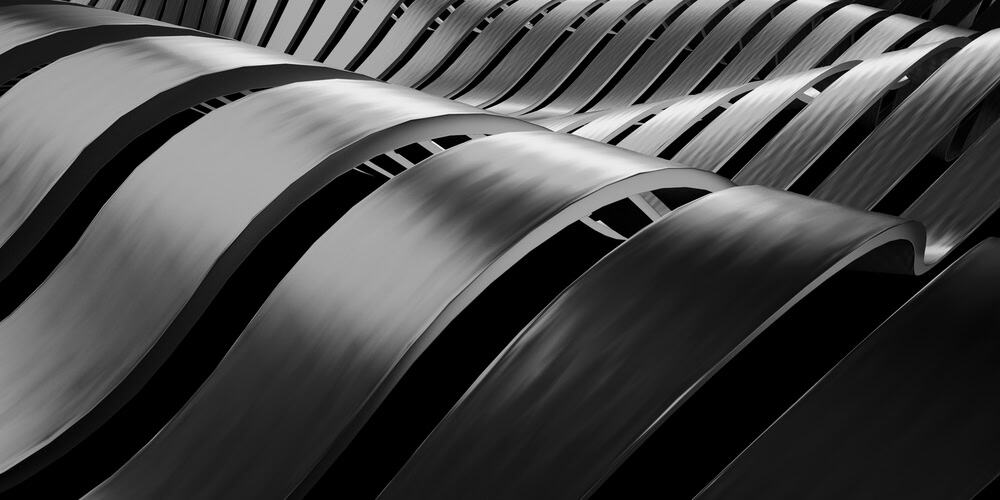
Architectural metalwork demands accuracy, creativity, and practical skill at every stage. Fine details, clean joints, accurate measurements, and durable finishes separate ordinary work. Skilled teams read complex drawings, select suitable metals, and solve site challenges with confidence.
These qualities help a metal fabricator deliver striking structures that match design goals while maintaining reliable performance and lasting appeal across demanding projects.
Technical precision
Top-tier fabricators measure every section with exceptional accuracy. They read drawings, calculate angles, and prepare cutting instructions precisely. Their workshop skills support clean edges, accurate holes, tight joints, and consistent dimensions.
Advanced welding expertise
Welding quality affects strength, appearance, and durability. Experienced fabricators select suitable techniques according to metal type and thickness. They control heat, reduce distortion, and produce neat seams across stainless steel, aluminum, and mild steel.
Material knowledge
Every metal behaves differently during cutting, bending, welding, polishing, and finishing. Leading fabricators select materials that suit each application. They understand corrosion resistance, thermal movement, surface behavior, weight, and strength.
Design interpretation
Architectural drawings can contain intricate curves, unusual angles, decorative patterns, and tight tolerances. Skilled fabricators translate these details into practical workshop instructions without losing design intent. They spot fabrication issues early and suggest workable adjustments when required.
Surface finishing skills
Finishing gives architectural metalwork its final character. Experienced teams handle brushing, polishing, powder coating, anodizing, and patination with control. They prepare surfaces properly, maintain consistent textures, and inspect each section before delivery. These skills support attractive metal elements with resistance against corrosion, scratches, moisture.
Quality control
Reliable fabricators inspect dimensions, welds, edges, connections, and finishes throughout production. They use measuring tools and inspection procedures to catch issues before installation. Fit checks and sample reviews support consistency across repeated components.
Installation awareness
Experienced teams understand access limits, fixing methods, alignment requirements, tolerances, and assembly sequences. They fabricate components that installers can position accurately and securely. Practical site knowledge helps prevent clashes with walls, floors, glazing, structural elements, and mechanical systems.
Project communication
Clear communication keeps architectural metal projects moving smoothly. Top tier fabricators discuss drawings, materials, finishes, dimensions, deadlines, and technical concerns with project teams. They provide updates and raise issues early, supporting accurate decisions and aligned fabrication.